Tops

Body Fit & Length

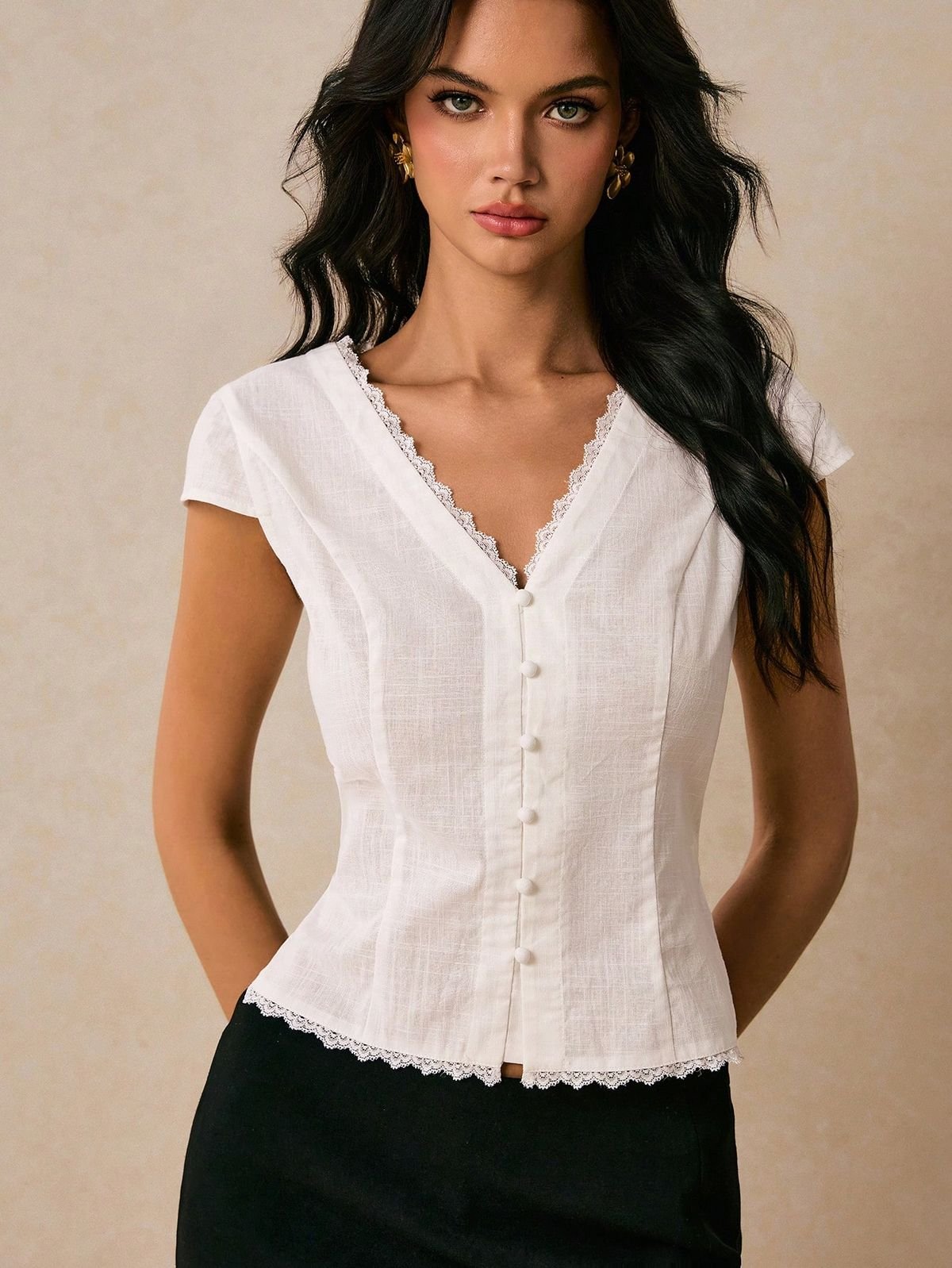
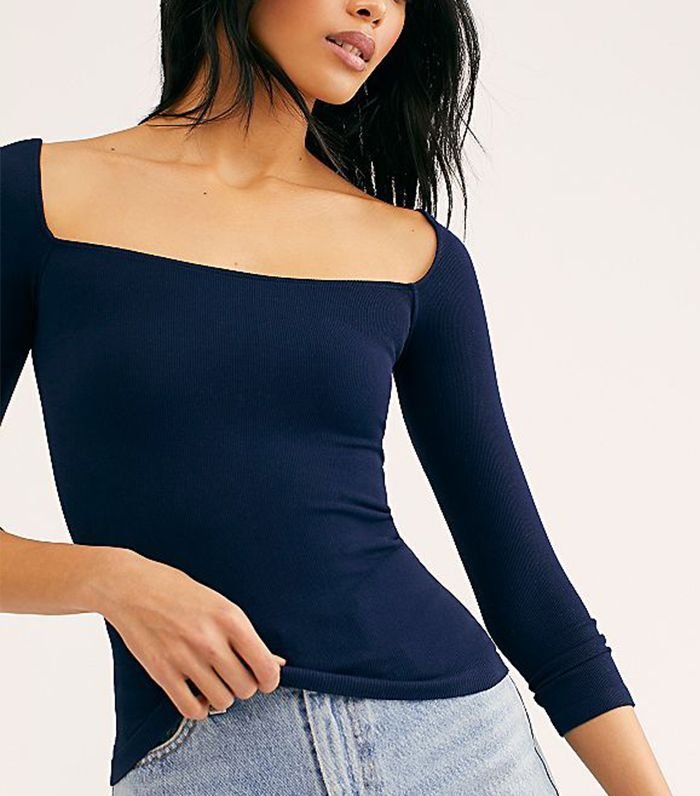
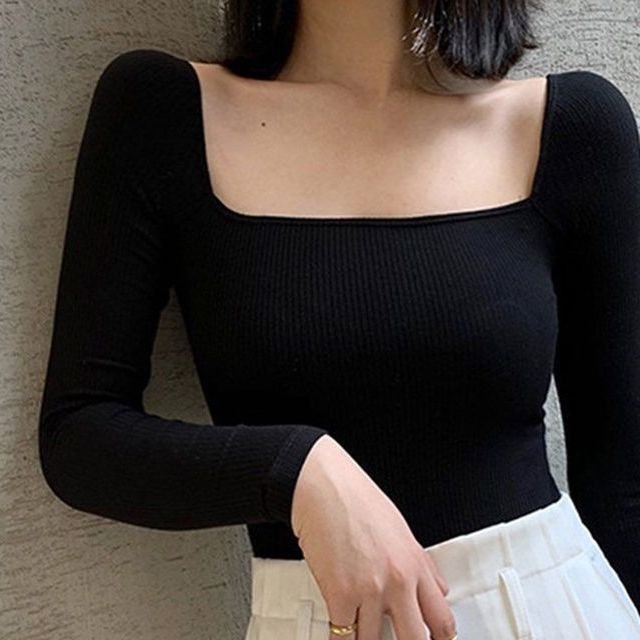
Body fit and length focus on how the top sits through the torso and where it ends. A semi fitted shape with light waist definition keeps balance without clinging. Fabric should skim the bust and fall smoothly through the midsection with stretch that holds shape. Length works best at mid hip, since cropped cuts draw focus to the midsection and long oversized lengths add bulk.

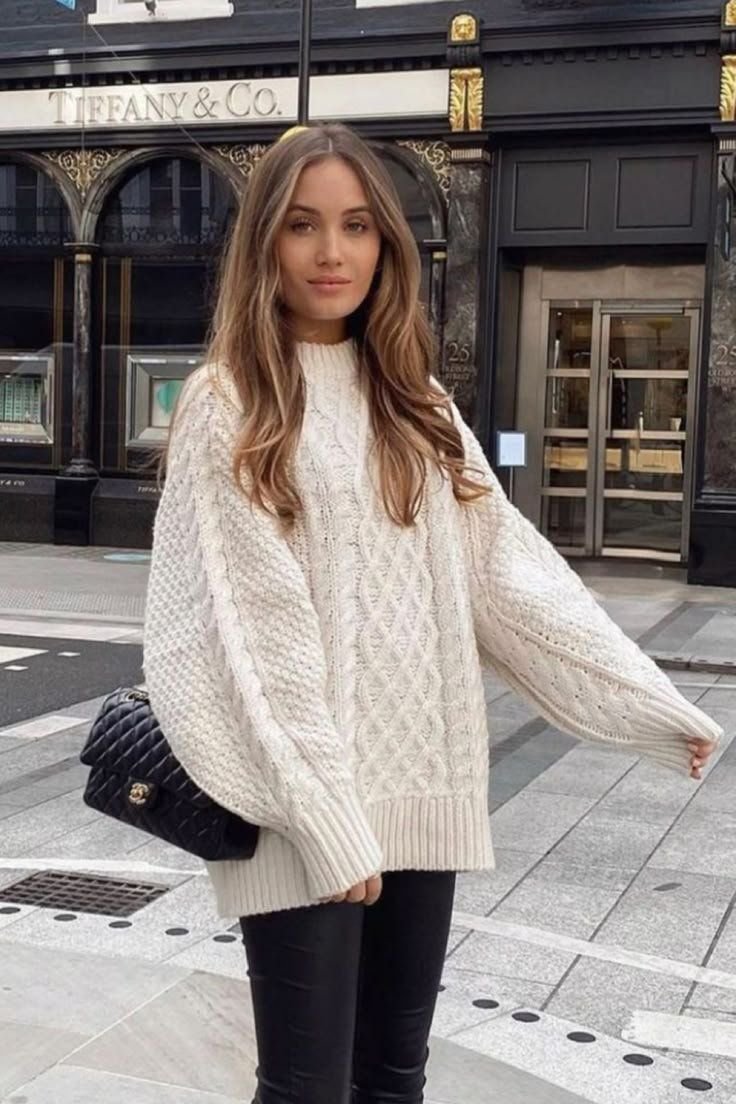
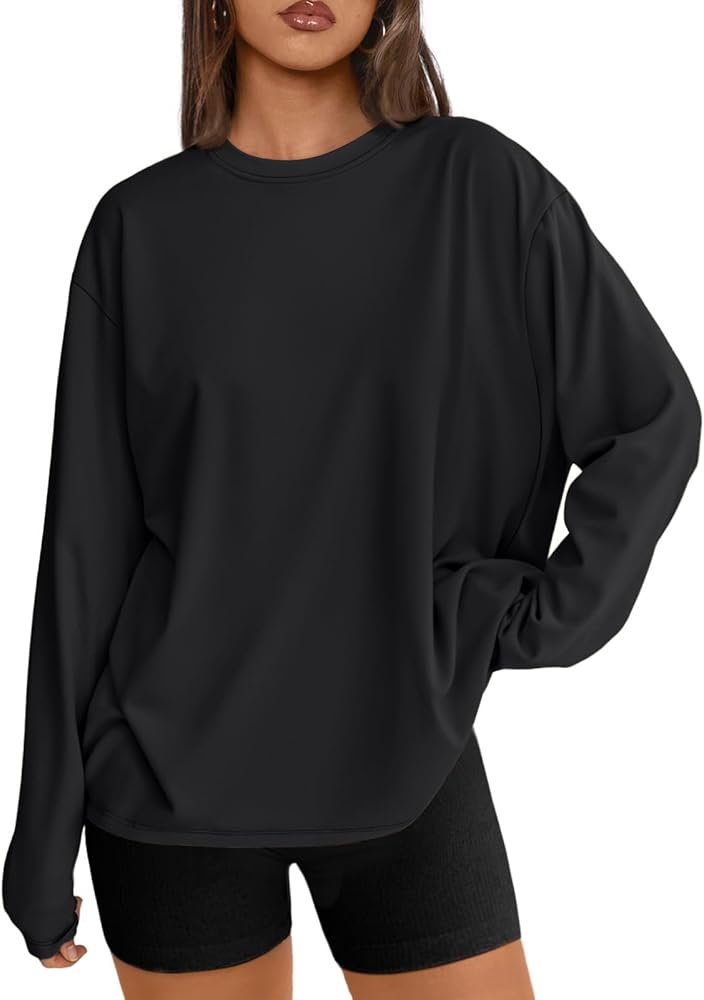
Boxy: Has no shape at the waist (hides it). Adds bulk through the torso.
Thick material: Hides the waist. Goes past the hips (oversized).
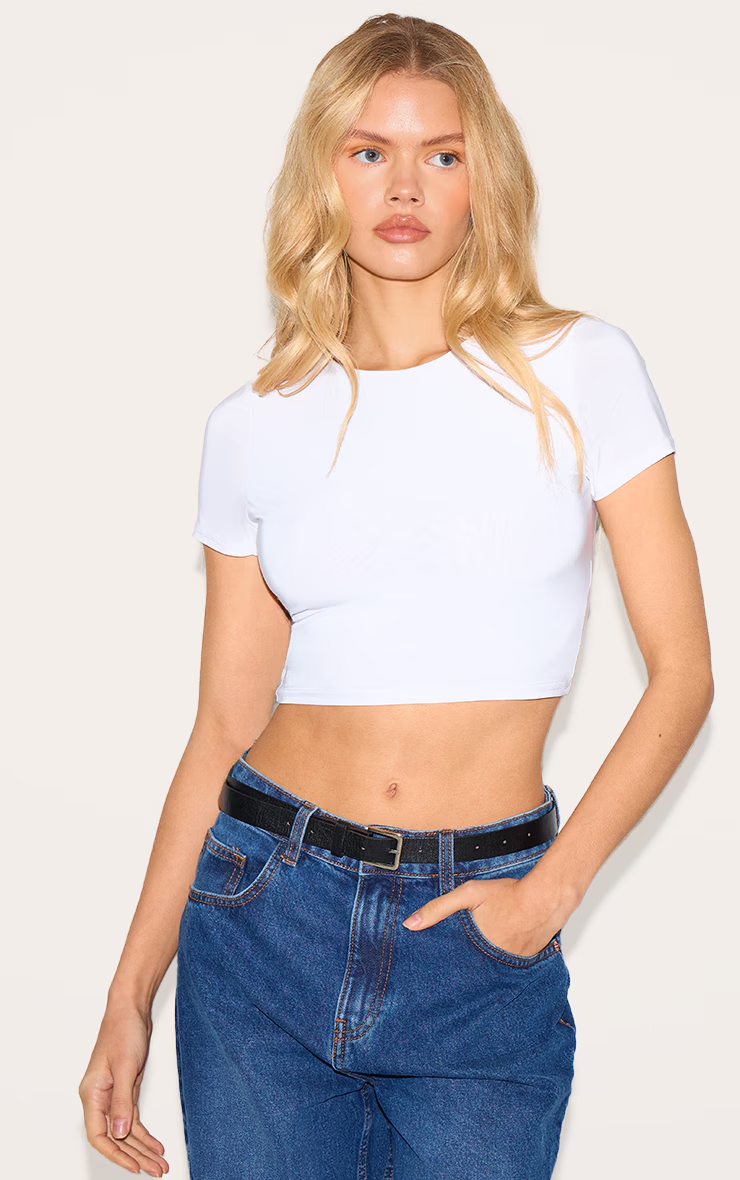
Cropped: Draws focus to the midsection. Works better if torso is flat and fit but can still disrupt balance.
Heavy ribbed or stiff fabrics: Clings in the wrong places and holds bulk.

Sleeve Length & Width

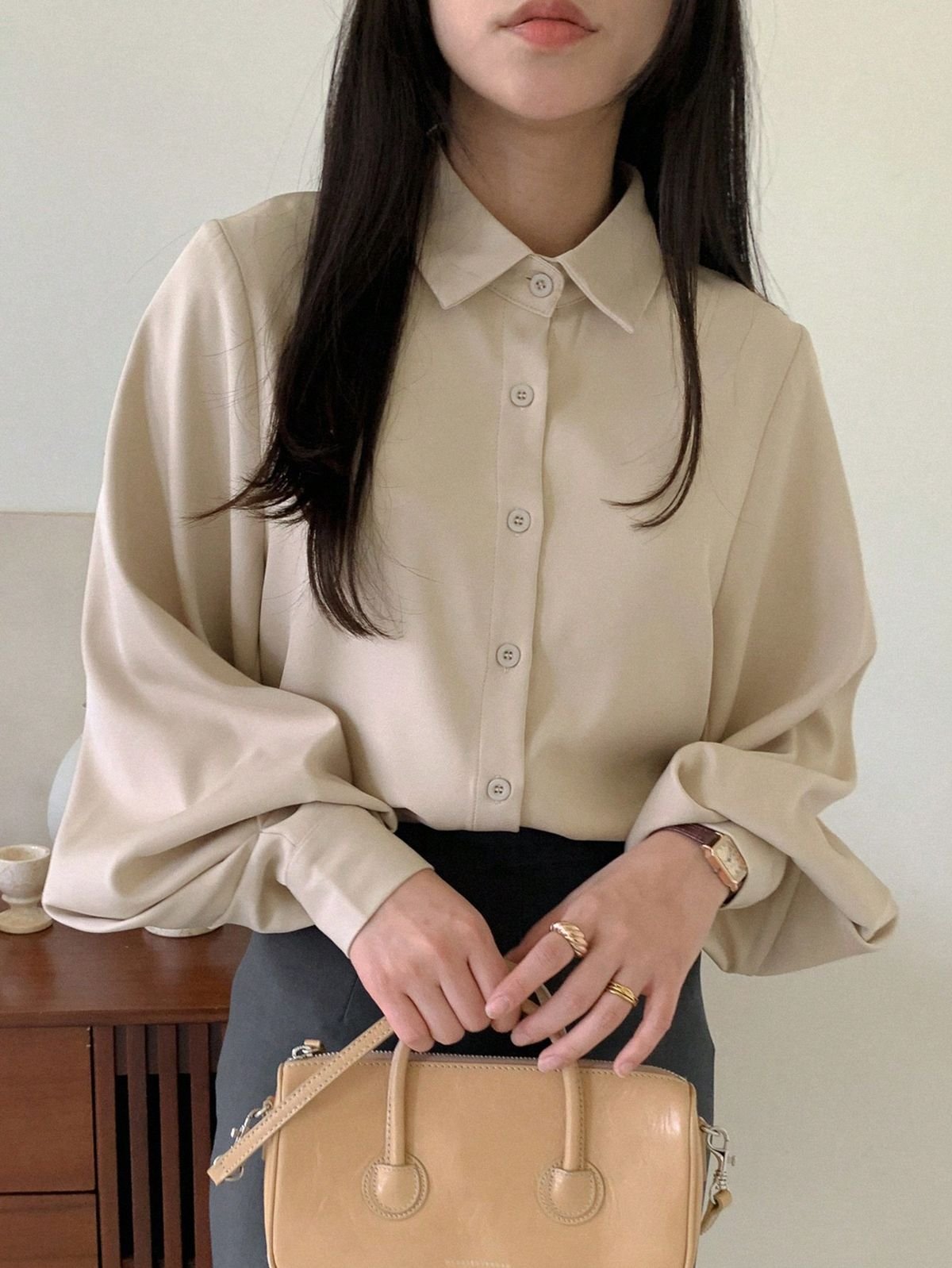
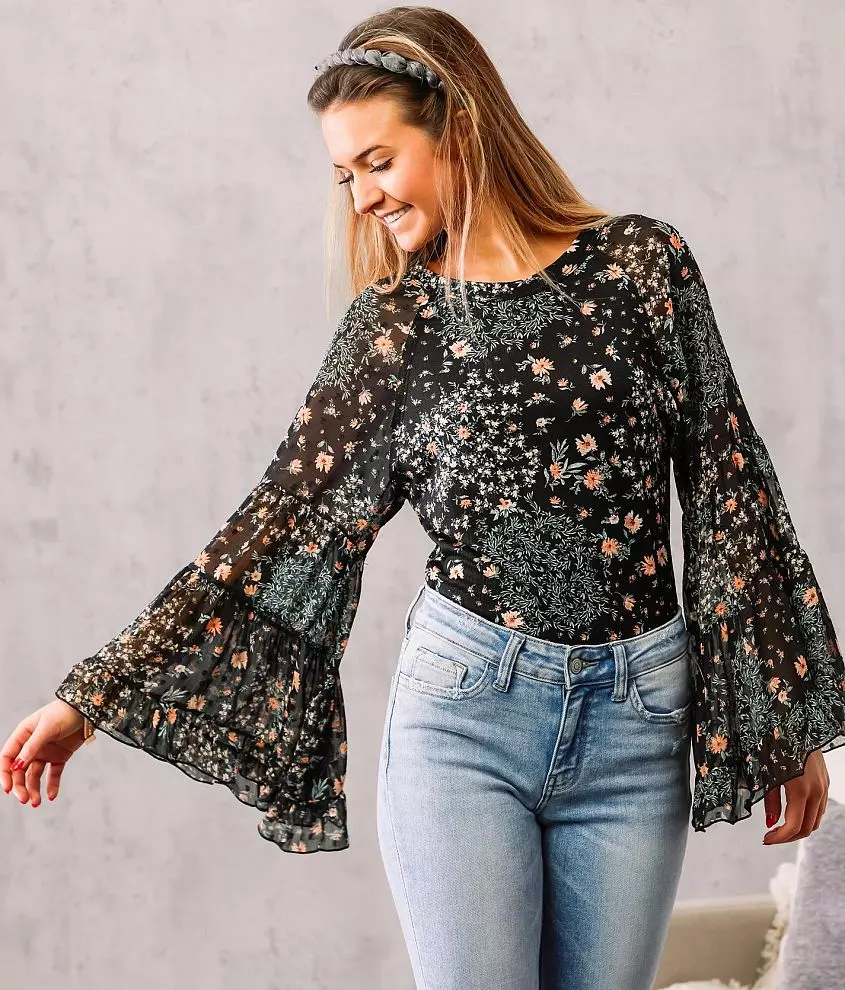
Sleeve length works best when it avoids cutting the arm at its widest point. Cap, elbow, and full length sleeves keep the arm line clean and balanced. Width should skim the arm without compression or excess fabric. Sleeves fail when they squeeze the arm, flare outward, or stop mid arm since this adds visual weight.
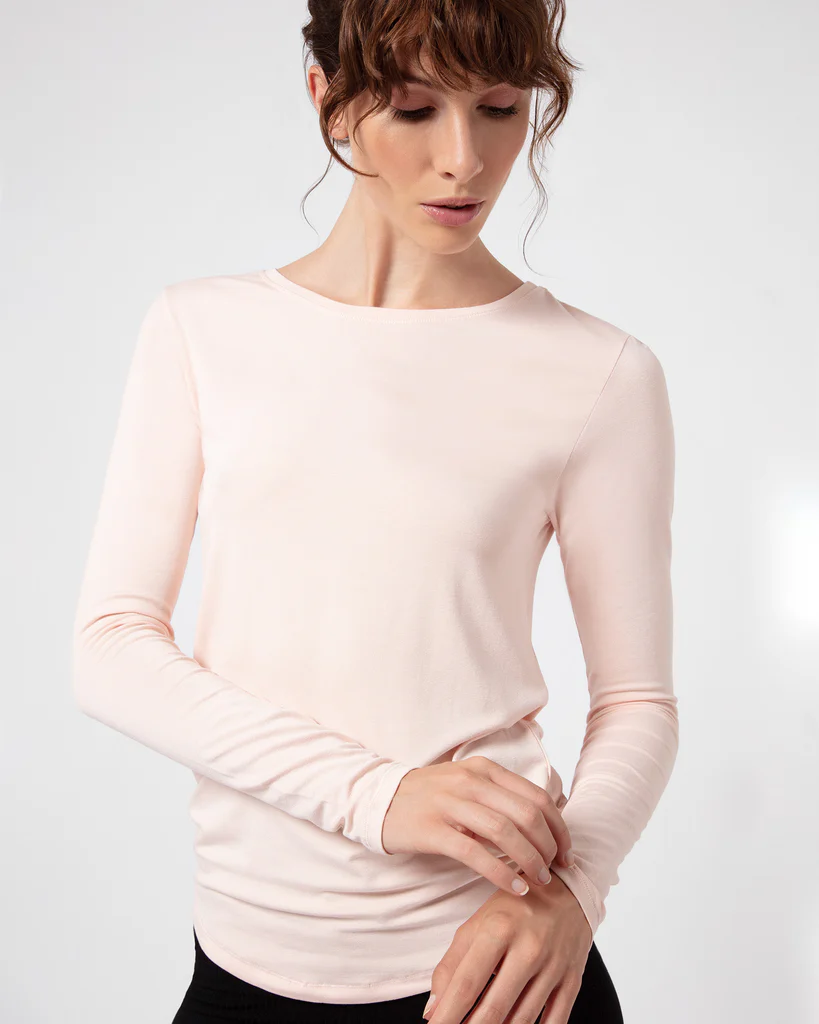
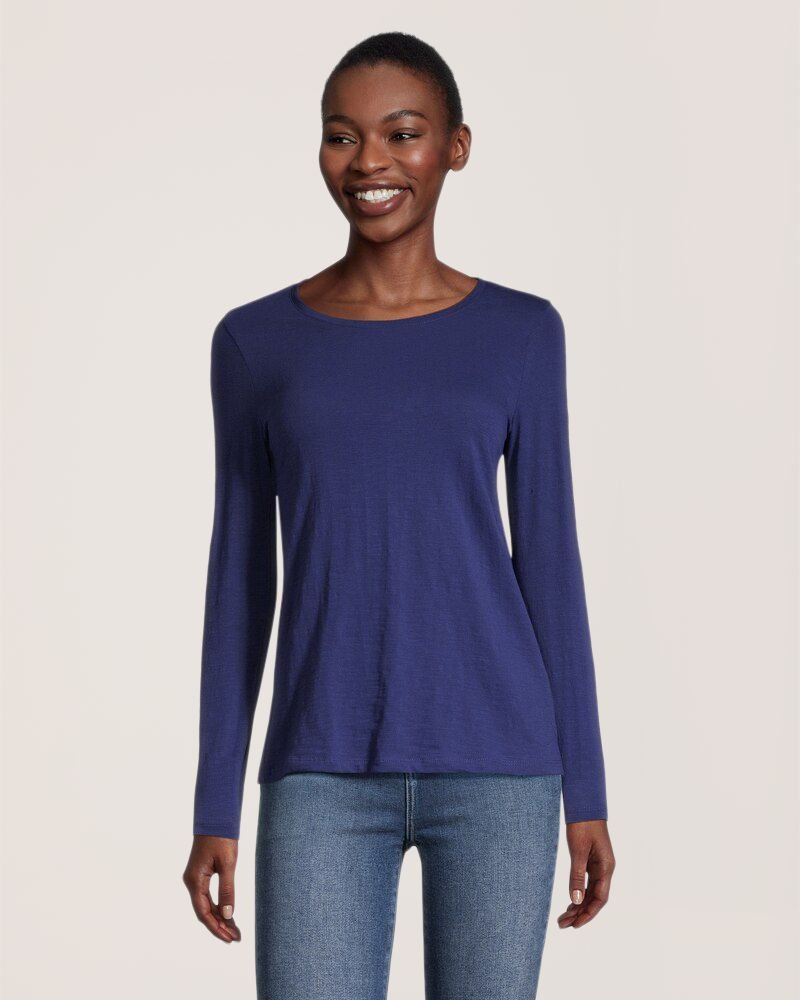
Cap sleeves: Angles off the shoulder. Keeps the arm line light.
Just above elbow: Avoids cutting at the elbow. Keeps the arm line long.
3/4 sleeves: Avoids cutting at the elbow. Keeps the arm line long.
Full length: Creates a long vertical line. Keeps the arm streamlined.

Sleeve ends at mid upper arm: Ends at the widest part of the arm. Adds visual weight.
Shoulder is dropped or oversized: Shoulder seam sits past the shoulder. Adds width and bulk.
Extra fabric gathers at the wrist. Shortens the arm line.
Cuts at the widest point. Makes the arm look heavier. Applies to all lengths.

Sleeve Puffiness

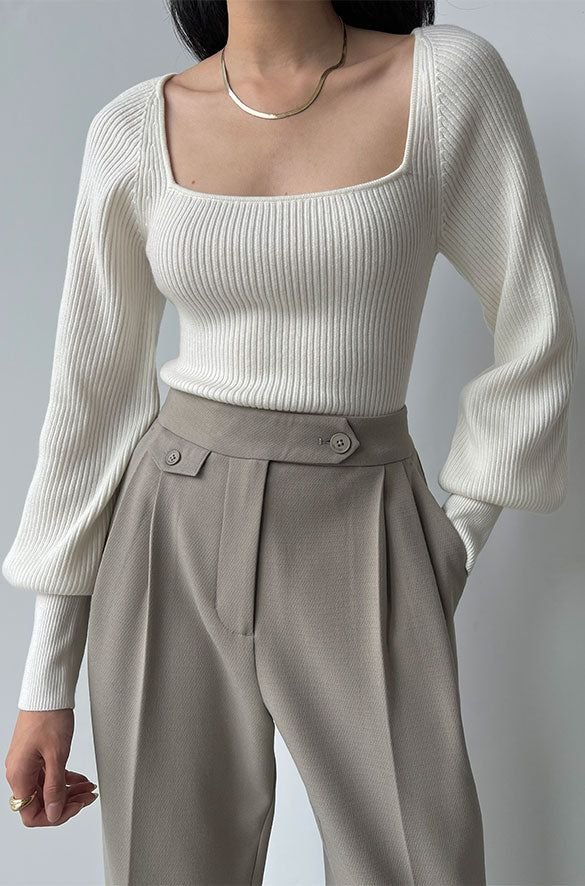
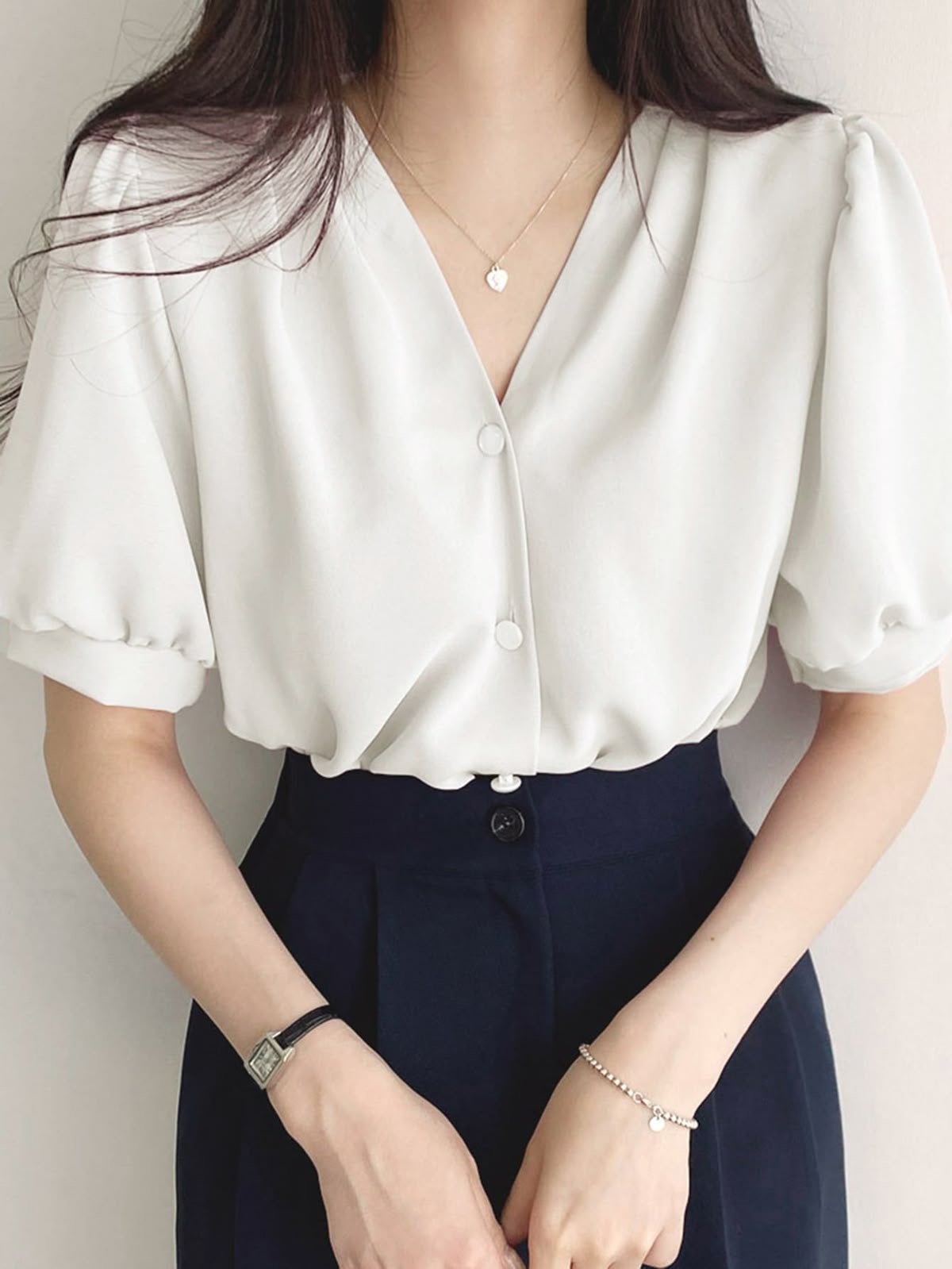
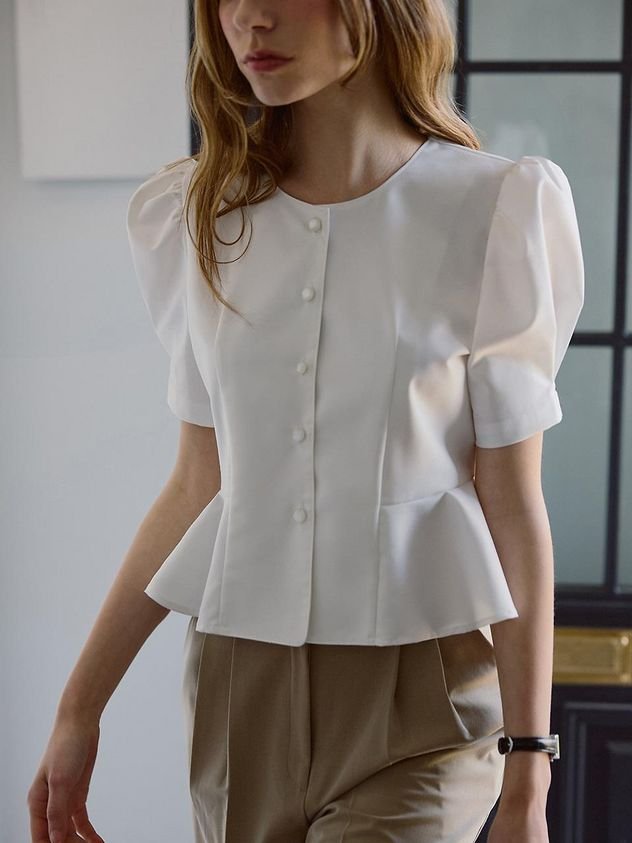
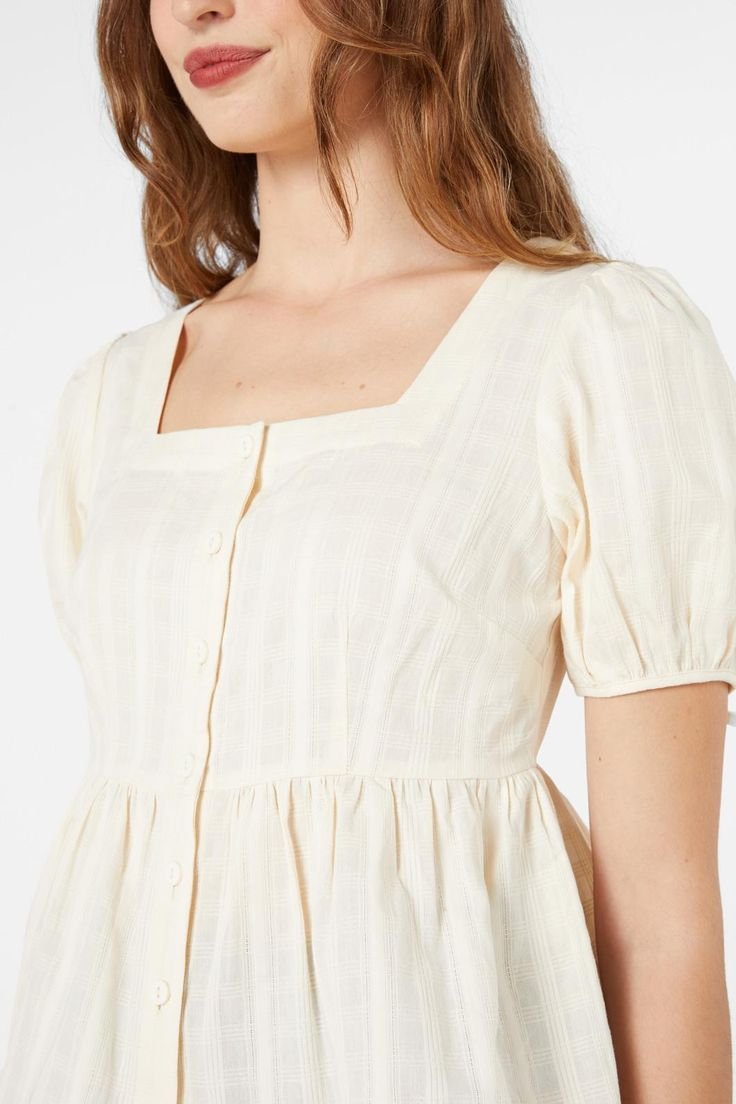
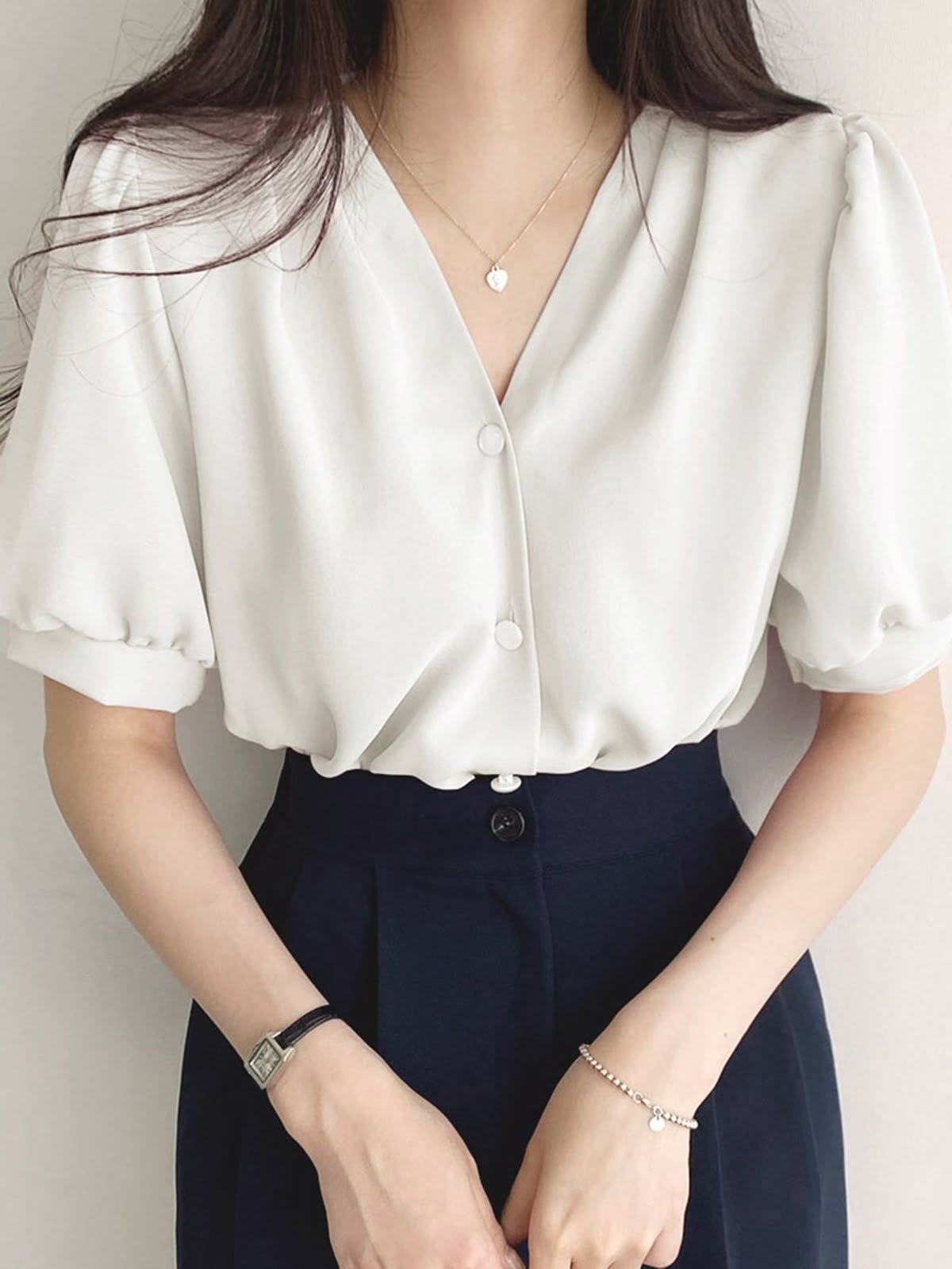
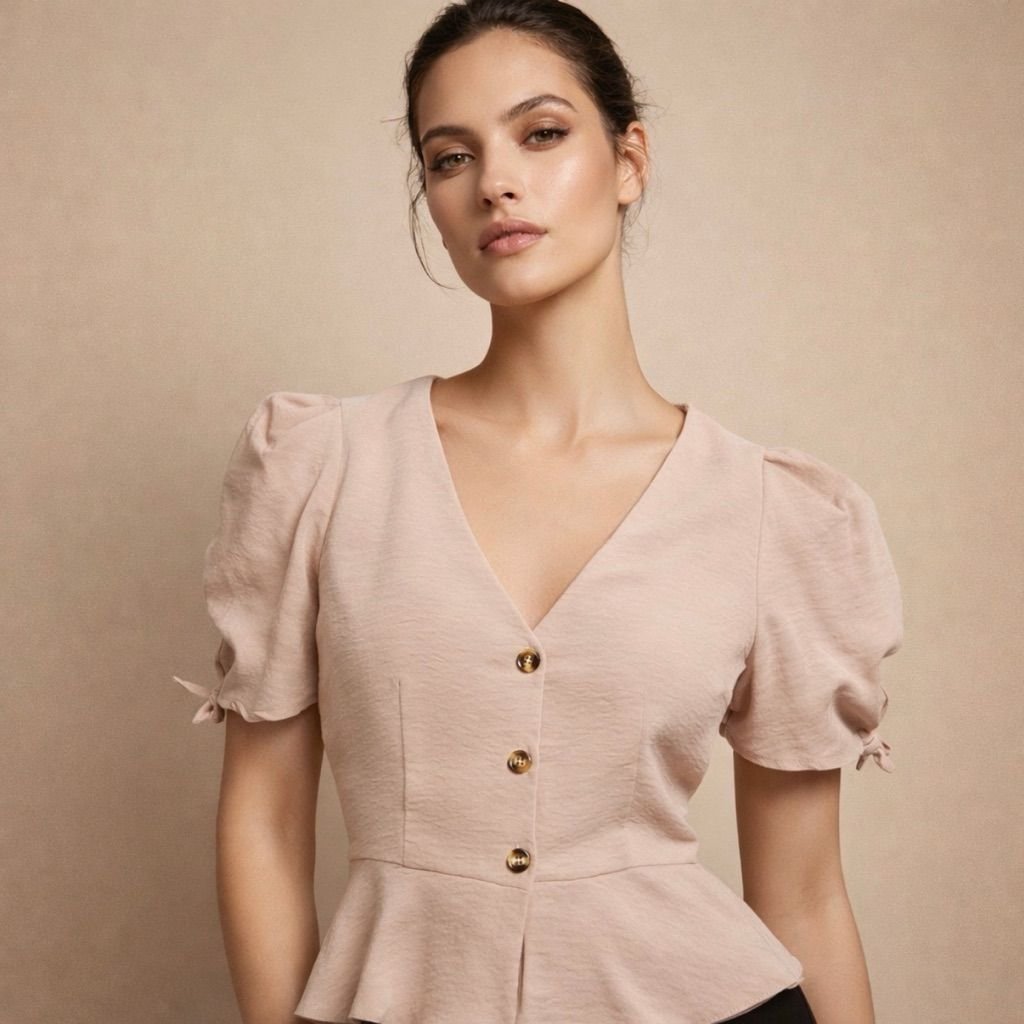
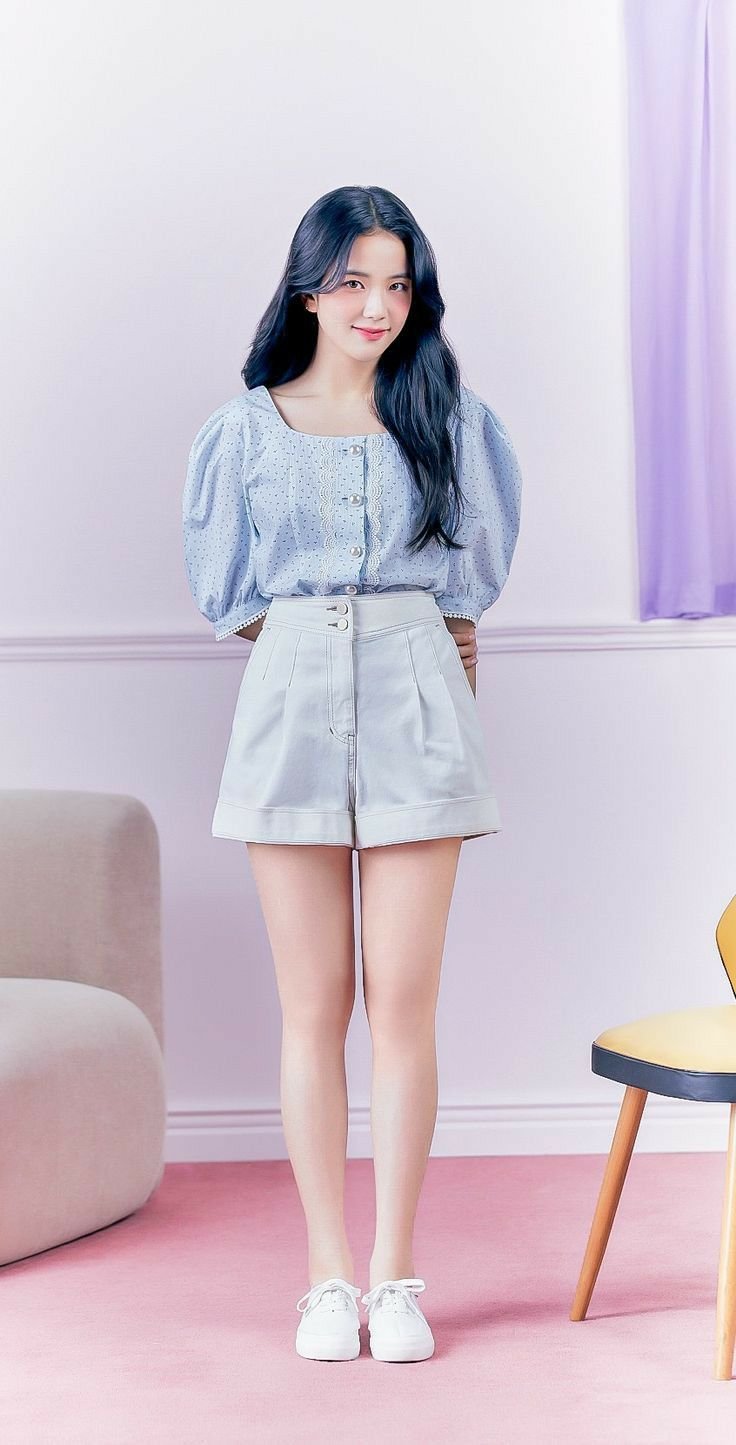
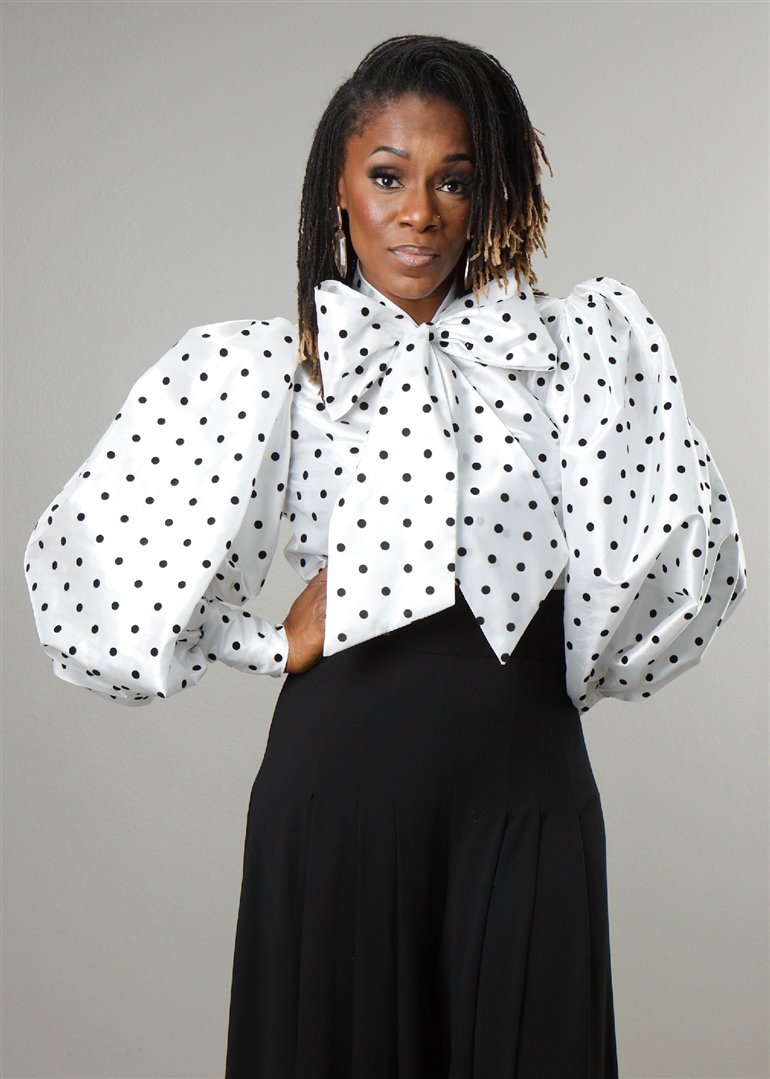
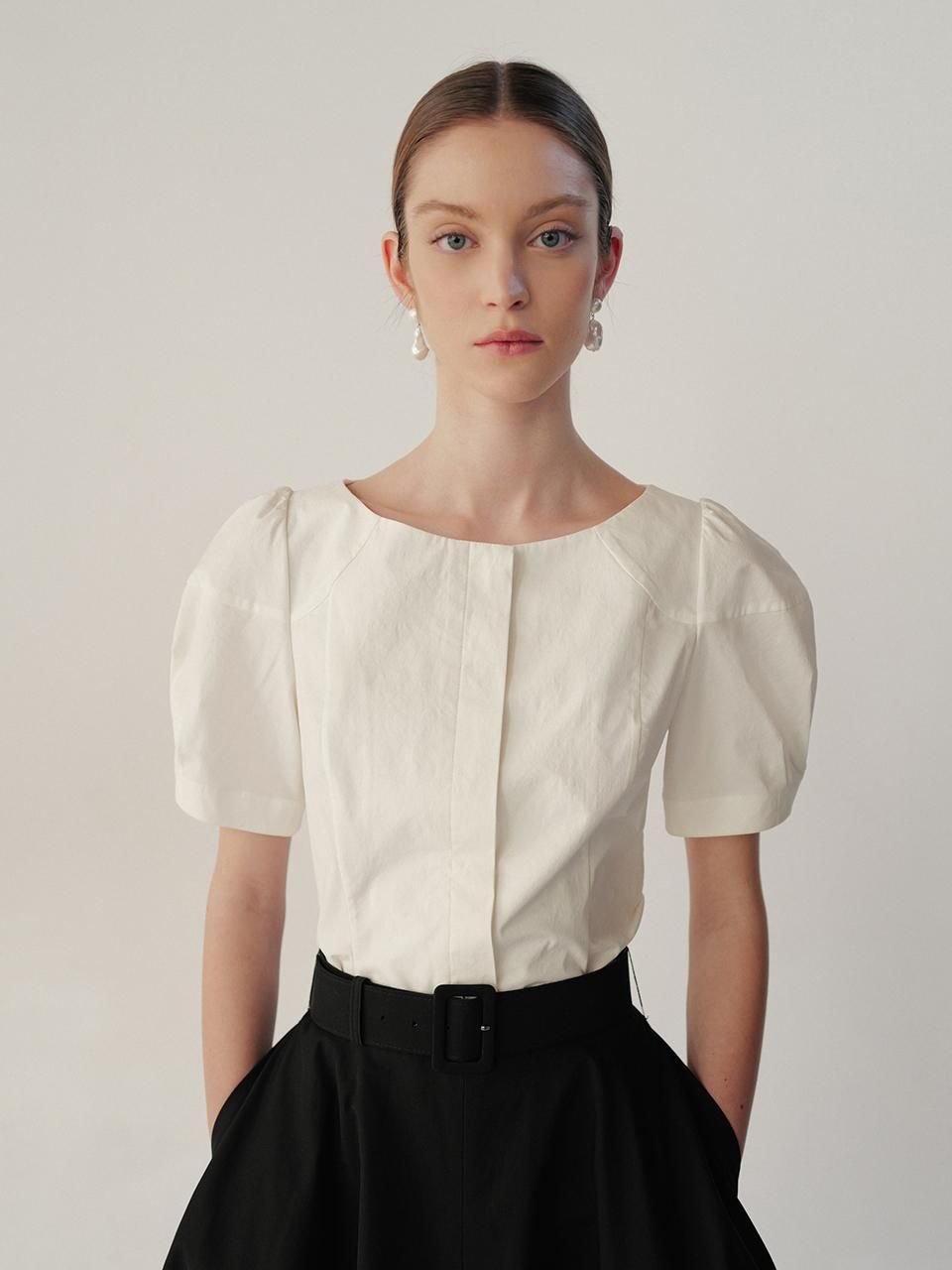
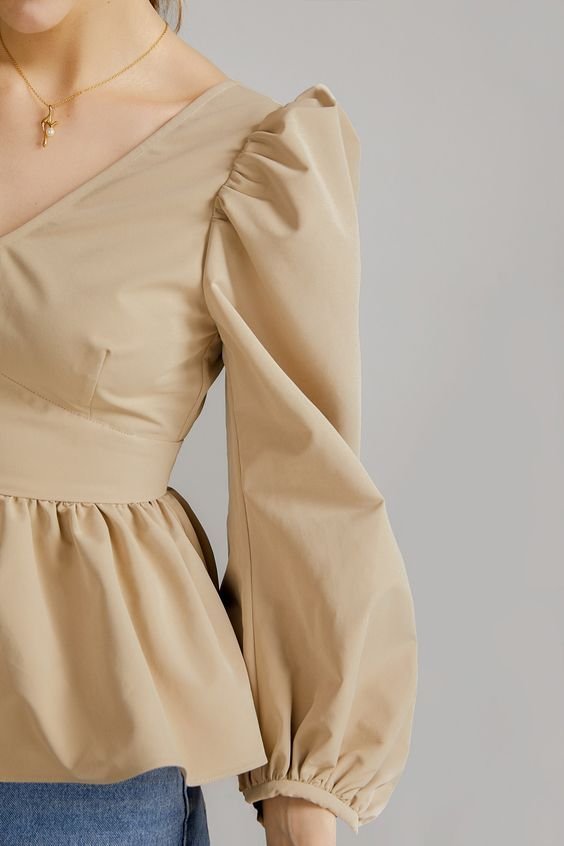
Puff sleeves work only when volume stays soft and controlled. A small puff placed slightly off the shoulder keeps balance and avoids widening the upper body. Light fabrics allow the sleeve to fall naturally without holding shape. Puff sleeves fail once volume sits on the shoulder or fabric becomes stiff, since this adds width and visual weight through the bust and shoulders.

Puff is small and controlled.
Volume starts slightly below the shoulder seam.
Neckline is open. Scoop, soft square, or gentle V.
Torso is fitted or softly shaped.

Exaggerated volume added extra width, making the top half look unbalanced.

Volume is large or exaggerated. Neckline is high or closed.

Fabric is stiff or crisp.
Puff sits directly on the shoulder seam.

Straps

Sleeve length works best when it avoids cutting the arm at its widest point. Cap, elbow, and full length sleeves keep the arm line clean and balanced. Width should skim the arm without compression or excess fabric. Sleeves fail when they squeeze the arm, flare outward, or stop mid arm since this adds visual weight.
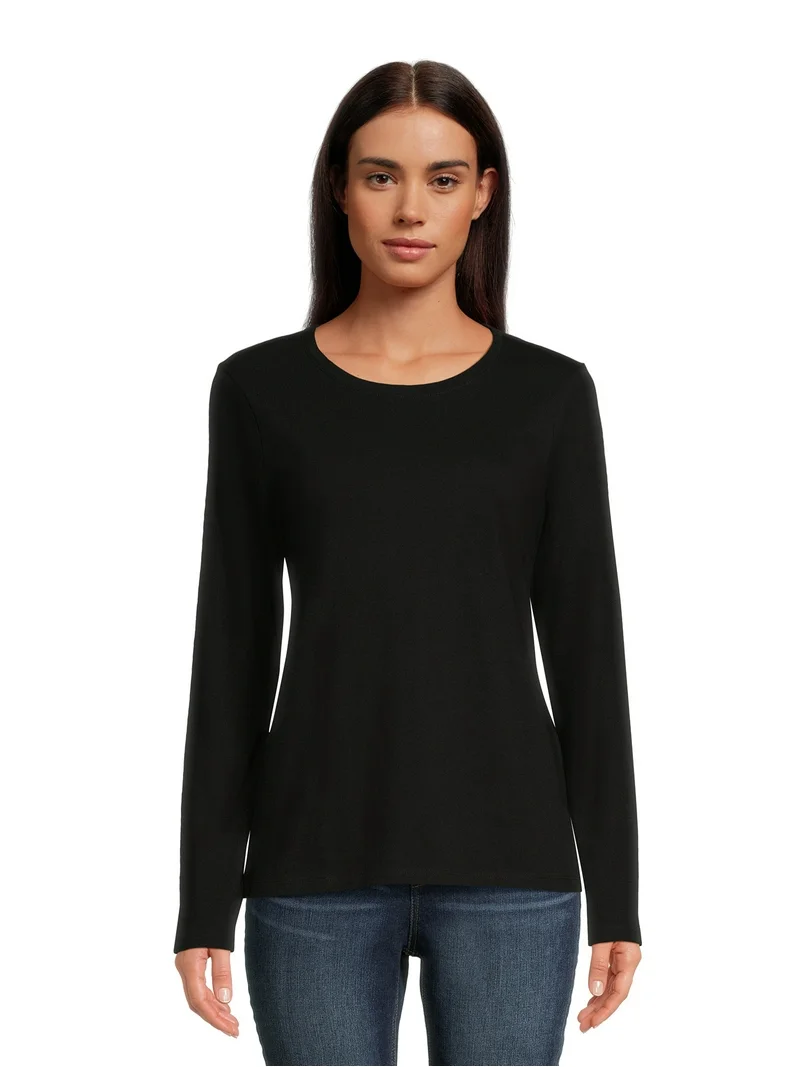
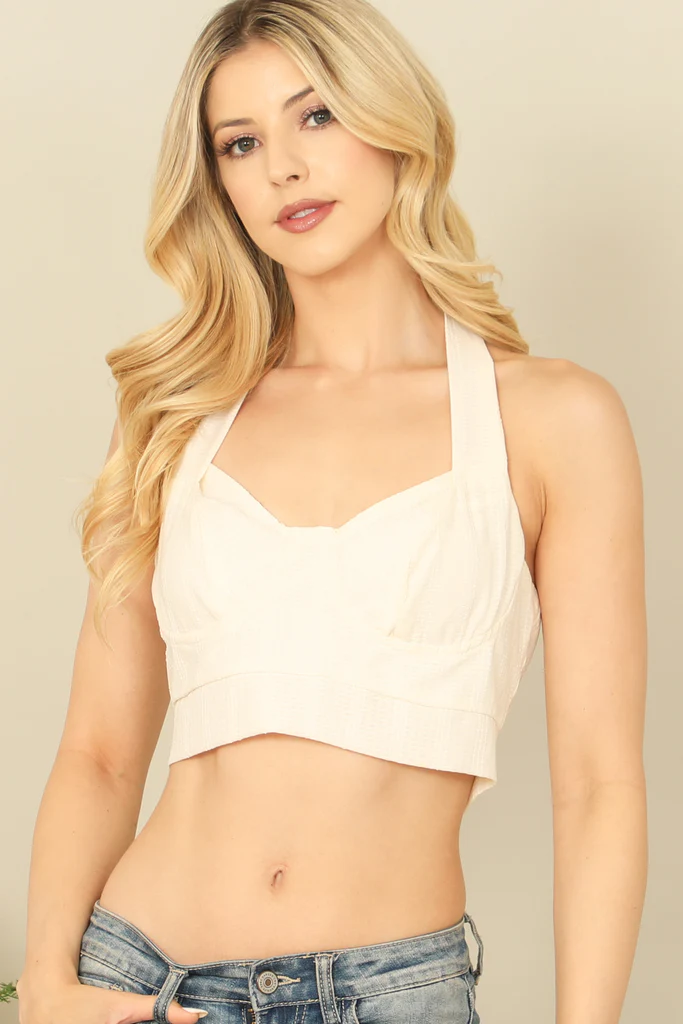
Halter strap: Works but is limited. Avoid delicate or high neck halters. Back offers support, not a thin tie.

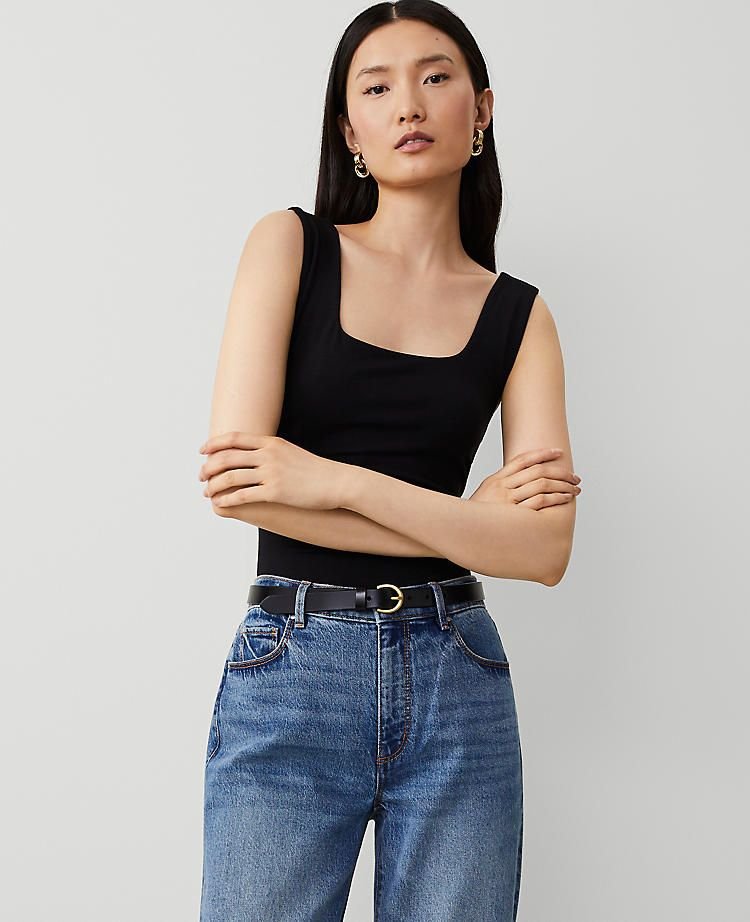
Straps are medium width and neckline is open.

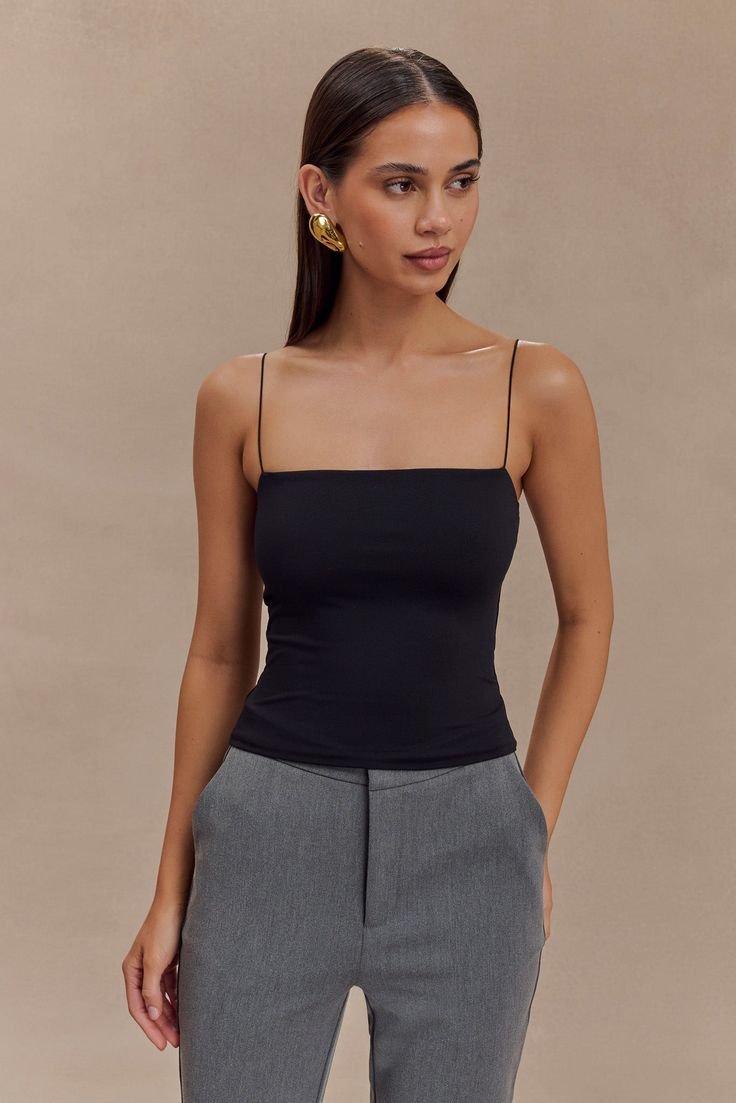
Spaghetti straps: Too thin. Emphasise bust weight.
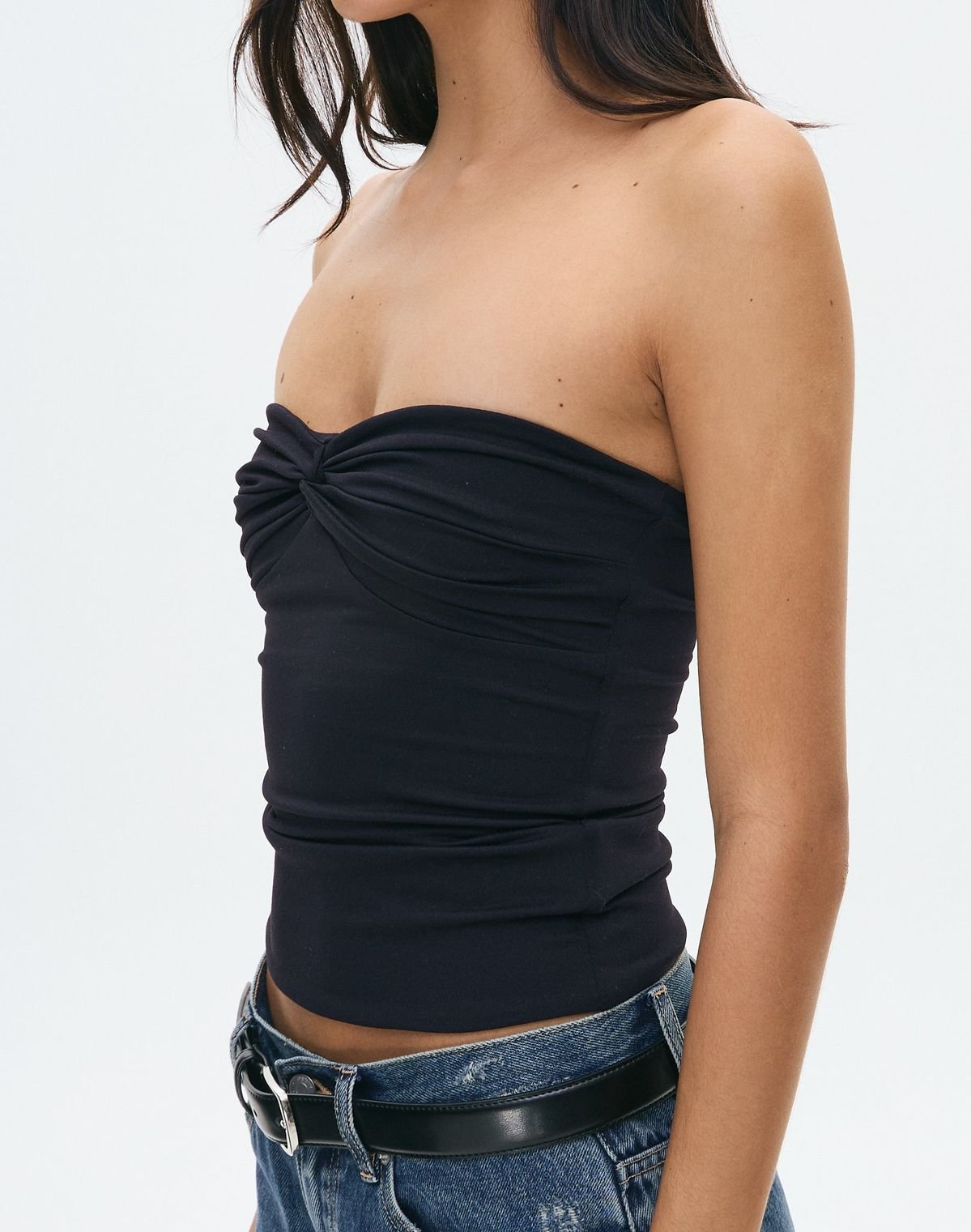
Strapless: Creates width at the shoulders

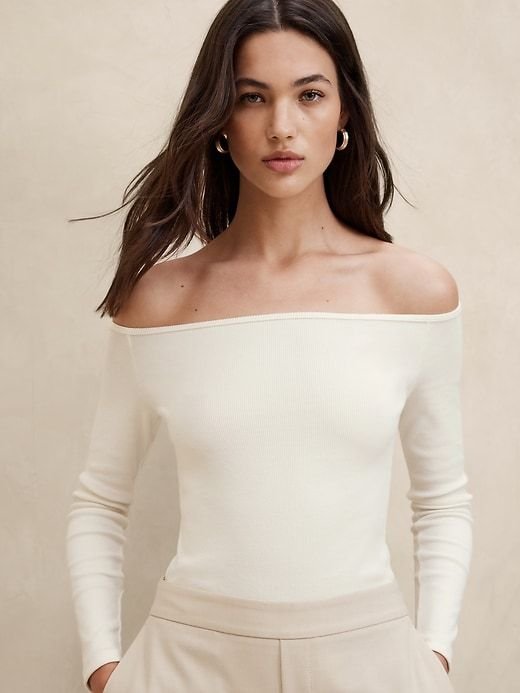
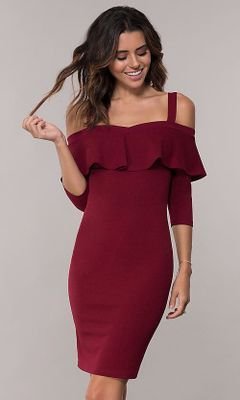
Off the shoulder: Creates width at the shoulders

Straps placed far out on the shoulder. Broaden the upper body.

Bottoms

Body Fit & Length

Body fit and length focus on how the top sits through the torso and where it ends. A semi fitted shape with light waist definition keeps balance without clinging. Fabric should skim the bust and fall smoothly through the midsection with stretch that holds shape. Length works best at mid hip, since cropped cuts draw focus to the midsection and long oversized lengths add bulk.

Boxy: Has no shape at the waist (hides it). Adds bulk through the torso.
Thick material: Hides the waist. Goes past the hips (oversized).
Cropped: Draws focus to the midsection. Works better if torso is flat and fit but can still disrupt balance.
Heavy ribbed or stiff fabrics: Clings in the wrong places and holds bulk.

Sleeve Length & Width

Sleeve length works best when it avoids cutting the arm at its widest point. Cap, elbow, and full length sleeves keep the arm line clean and balanced. Width should skim the arm without compression or excess fabric. Sleeves fail when they squeeze the arm, flare outward, or stop mid arm since this adds visual weight.
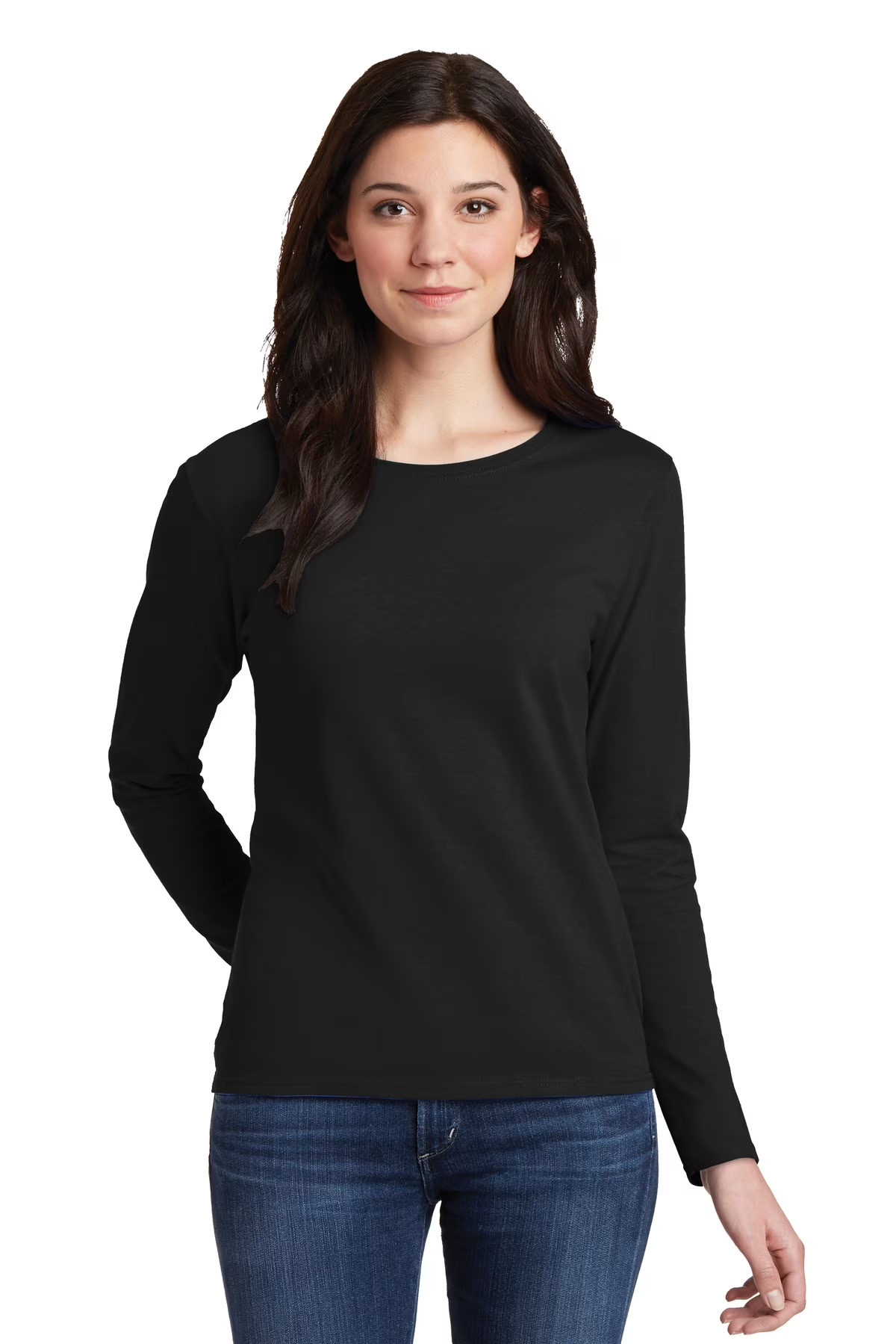
Cap sleeves: Angles off the shoulder. Keeps the arm line light.
Just above elbow: Avoids cutting at the elbow. Keeps the arm line long.
3/4 sleeves: Avoids cutting at the elbow. Keeps the arm line long.
Full length: Creates a long vertical line. Keeps the arm streamlined.

Sleeve ends at mid upper arm: Ends at the widest part of the arm. Adds visual weight.
Shoulder is dropped or oversized: Shoulder seam sits past the shoulder. Adds width and bulk.
Extra fabric gathers at the wrist. Shortens the arm line.
Cuts at the widest point. Makes the arm look heavier. Applies to all lengths.

Sleeve Puffiness

Puff sleeves work only when volume stays soft and controlled. A small puff placed slightly off the shoulder keeps balance and avoids widening the upper body. Light fabrics allow the sleeve to fall naturally without holding shape. Puff sleeves fail once volume sits on the shoulder or fabric becomes stiff, since this adds width and visual weight through the bust and shoulders.

Puff is small and controlled.
Volume starts slightly below the shoulder seam.
Neckline is open. Scoop, soft square, or gentle V.
Torso is fitted or softly shaped.

Exaggerated volume added extra width, making the top half look unbalanced.

Volume is large or exaggerated. Neckline is high or closed.

Fabric is stiff or crisp.
Puff sits directly on the shoulder seam.

Straps

Sleeve length works best when it avoids cutting the arm at its widest point. Cap, elbow, and full length sleeves keep the arm line clean and balanced. Width should skim the arm without compression or excess fabric. Sleeves fail when they squeeze the arm, flare outward, or stop mid arm since this adds visual weight.
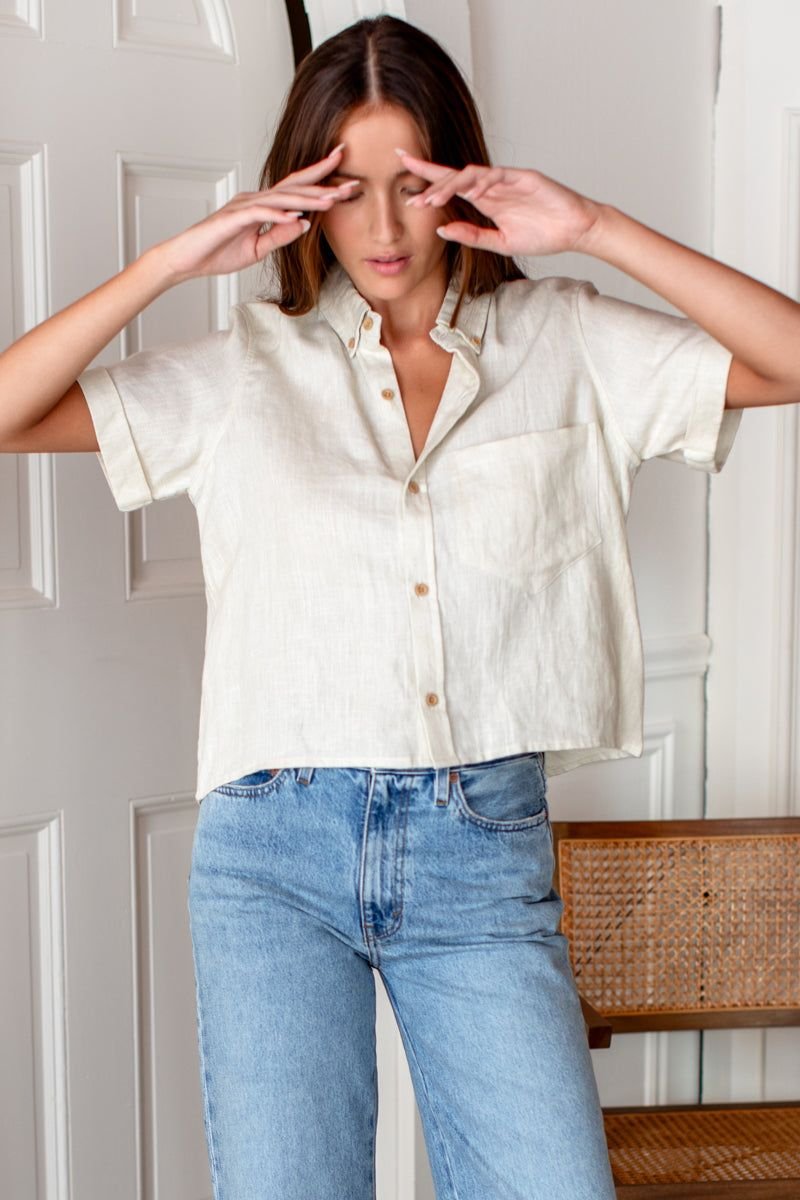
Halter strap: Works but is limited. Avoid delicate or high neck halters. Back offers support, not a thin tie.

Straps are medium width and neckline is open.

Spaghetti straps: Too thin. Emphasise bust weight.
Strapless: Creates width at the shoulders

Off the shoulder: Creates width at the shoulders

Straps placed far out on the shoulder. Broaden the upper body.

Scroll to Top